

Manufacturing equipment
At a machine control station, the wiring layout has to leave room for cable entry, identification and service access.
Explore the UJ6 series →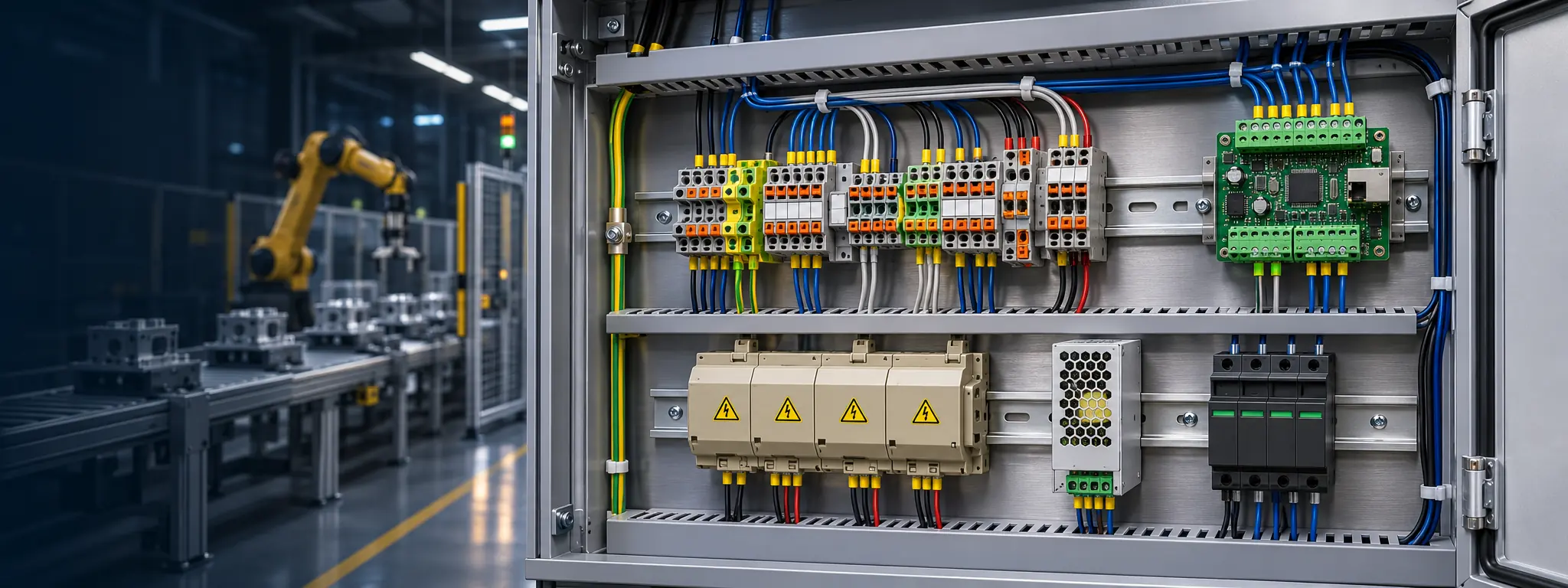
Illustrative settings for board, rail and power connections.
At a machine control station, the wiring layout has to leave room for cable entry, identification and service access.
Explore the UJ6 series →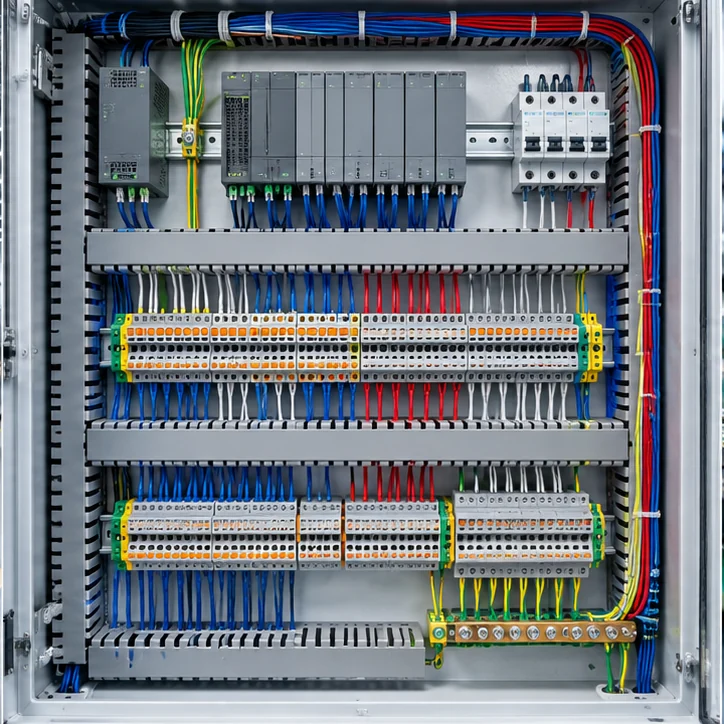
Inside a cabinet, the rail layout determines where installers can route, mark and test each circuit.
Explore the UKJ series →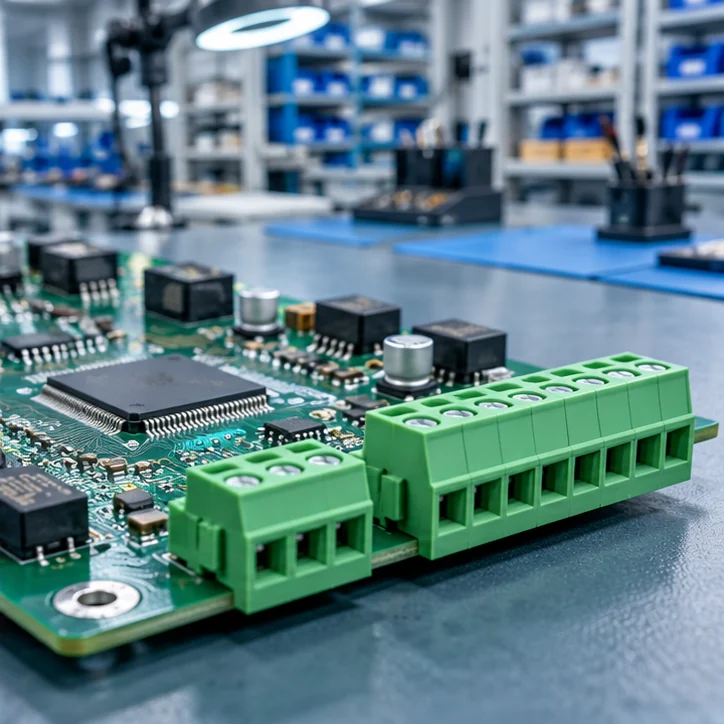
At the edge of a controller board, connector pitch and cable exit direction determine how the assembly fits its enclosure.
Explore the MC series →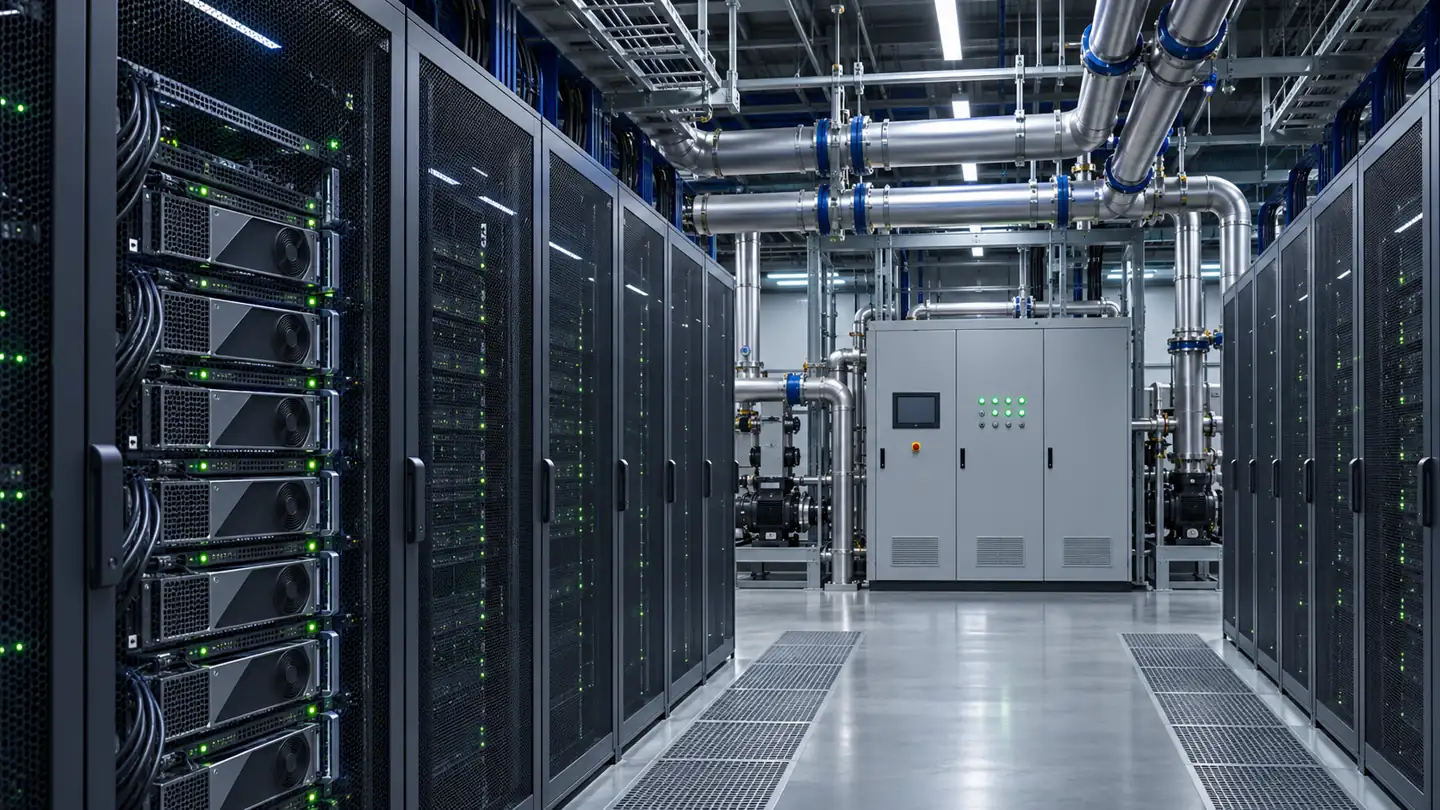
Explore terminal selection for cooling controls, sensors and monitoring equipment in data centres.
Explore the application →For external wiring to printed circuit boards, start with the board footprint, pitch, pole count and conductor size. Choose a removable interface if the assembly must be disconnected for service.
For terminal rows, compare screw, push-in and spring-cage termination. Provide the rail type, wire preparation, cable entry space and identification or bridging requirements.
For a bolted connection, provide the design current and conductor size. For a branched circuit, list each output separately and ask for the exact arrangement and dimensions.
Share the equipment type, original part reference and installation constraints.